
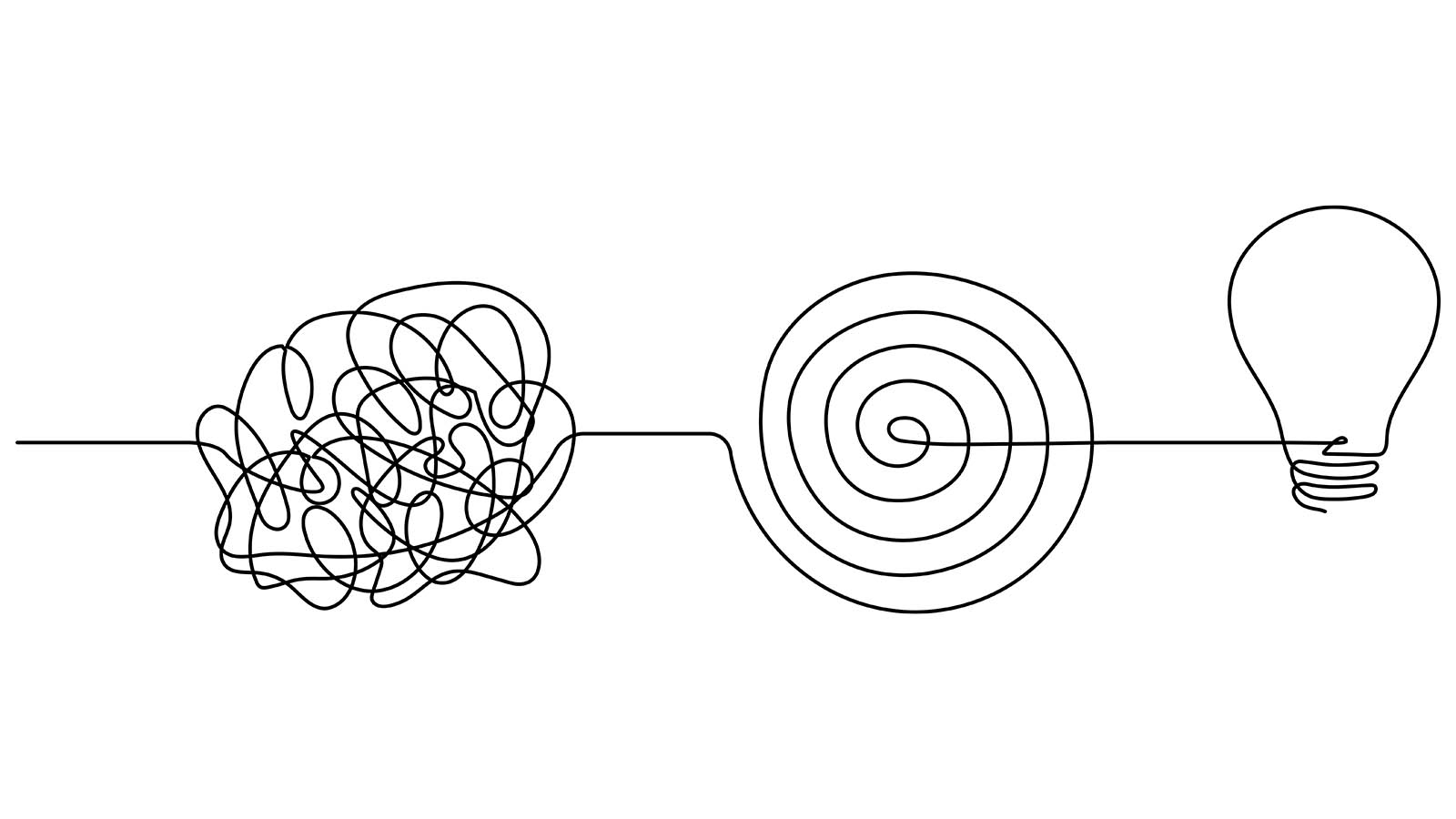
When a website isn’t converting, the instinct is often to add more content. More explanations, more sections, more pages. The assumption is that visitors just need more information to make a decision.
In reality, confusion usually comes from overload. When everything feels equally important, visitors struggle to understand what actually matters.
Too Much Information Creates Decision Fatigue
Most visitors aren’t reading your website line by line. They’re scanning, looking for signals that help them decide whether to stay, explore, or leave.
When a page tries to cover every detail at once, nothing stands out. Important messages get buried, and visitors disengage before they ever reach the point of clarity.
Clarity Comes From Prioritization
Clear websites don’t necessarily have less content – they have better hierarchy. Visitors are guided toward the most important ideas first, with supporting details available when they’re ready.
This is where intentional website design plays a critical role. Structure, spacing, and flow help visitors understand what to focus on without feeling overwhelmed.
Trying to Speak to Everyone Usually Means Speaking to No One
Another source of confusion is overly broad messaging. When a website tries to appeal to every possible audience, the message becomes generic and vague.
Visitors need to quickly recognize that a site is relevant to them. If they have to work to figure that out, they usually won’t.
Clear Content Builds Trust and Momentum
Clarity doesn’t just improve understanding – it builds trust. When visitors feel oriented and confident about what’s being offered, they’re more likely to take the next step.
This is especially important for service-based businesses, where trust is earned through explanation and consistency rather than impulse.
Supporting Tools Should Reinforce, Not Complicate
Tools like chatbots, forms, and calls to action should reinforce clarity, not add complexity. When implemented thoughtfully, custom chatbot development can help guide visitors who need extra context without cluttering the page.
When tools compete with the core message, confusion increases instead of decreases.
Simplification Is a Strategic Choice
Clear messaging is rarely about saying more. It’s about deciding what not to say.
The most effective websites don’t overwhelm visitors. They help them understand what matters, and what to do next.