
Website redesigns are one of the most common investments businesses make, and unfortunately, one of the most disappointing. By the time most companies consider a redesign, they’re already frustrated. The site feels outdated, leads have slowed down, and something clearly isn’t working.
A redesign feels like the logical next step. Sometimes it helps. Often, it doesn’t. And when a redesign fails, it’s rarely because the site looks bad.
The Real Problem Starts Before Design Ever Begins
The number one reason website redesigns fail is that they start with visuals instead of strategy. Conversations tend to focus on colors, layouts, and examples of other sites people like, without ever clearly defining what the website is actually supposed to accomplish.
Design decisions should support a goal. Without that goal, even a well-designed site becomes an expensive guessing game. It may look cleaner or more modern, but it doesn’t necessarily work any better than the version it replaced.
A New Website Doesn’t Automatically Fix Old Problems
One of the biggest misconceptions about redesigns is that changing the look of a site will automatically fix deeper issues. In reality, redesigns often inherit the same problems the old site had, just wrapped in a more polished layout.
If the messaging was unclear before, it’s usually still unclear after. If visitors didn’t know what to do next, they still hesitate. Without addressing those fundamentals, a redesign simply changes how the problem looks, not whether it’s solved.
Strategy Is What Makes Design Effective
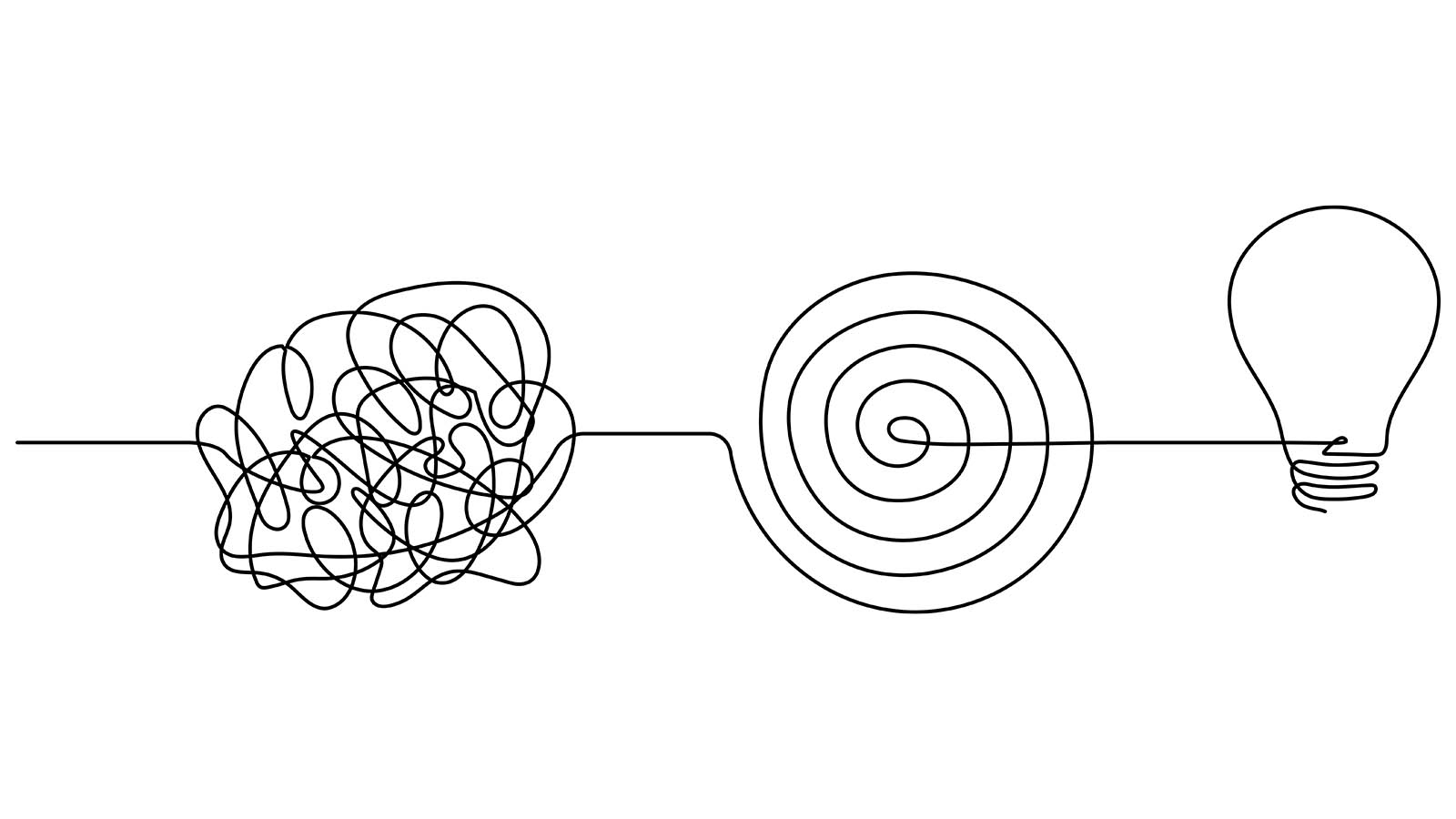
A successful redesign starts with clarity. That means understanding who the site is for, what problems it needs to solve, and how success will be measured once the new site is live.
It also requires looking honestly at how people currently use the site. Where do visitors drop off? Which pages matter most? What questions do people need answered before they feel comfortable reaching out? When those answers are clear, design choices stop being subjective and start serving a real purpose.
Good Redesigns Simplify Instead of Adding More
Another common mistake is assuming a redesign should include more pages, more features, or more content. In practice, the most effective redesigns usually remove things instead of adding them.
Simpler navigation, clearer messaging, and fewer distractions make it easier for visitors to move forward. Clarity builds confidence, and confidence is what leads to action.
How to Avoid Wasting Money on a Redesign
Before committing to a full redesign, it’s worth slowing down and asking a few practical questions. What specifically isn’t working today? What would success look like six months after launch? And how does the website support the broader sales or marketing process?
Answering those questions early doesn’t delay a project. It protects the investment and helps ensure the redesign solves the right problems.
A Redesign Is a Tool, Not a Shortcut
When done well, a website redesign can be a powerful upgrade. It can improve clarity, create stronger first impressions, and better support conversations with potential customers.
But a redesign isn’t a reset button. Without strategy, it’s just a new coat of paint on the same foundation. The most valuable work happens before the first page is ever designed.